
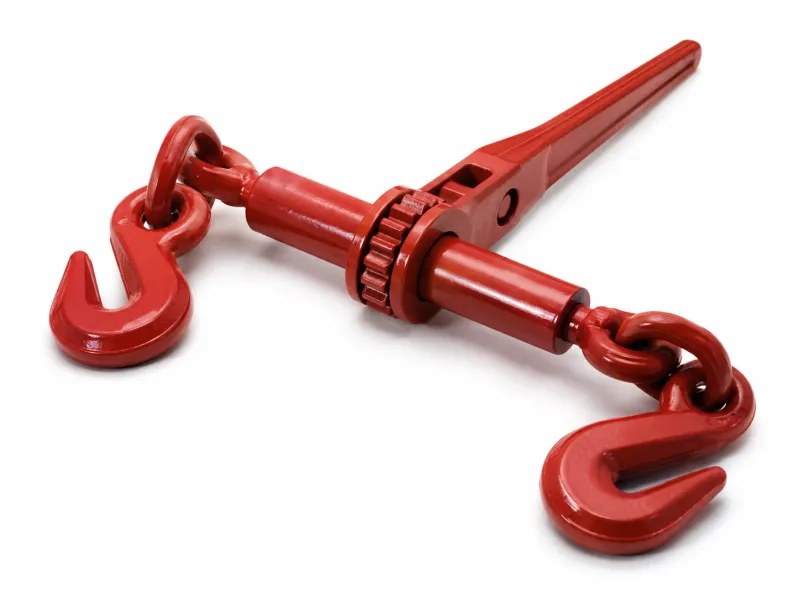
When sourcing industrial steel load binders for fleet operations or construction projects, understanding the cost per unit is critical for budgeting and total cost of ownership. Pricing varies based on capacity, material finish, and order volume, with bulk discounts typically available for wholesale purchases. As of 2026, the current industry standard for load binders includes a 3:1 safety factor, heat-treated steel construction, and capacities ranging from 10 to 25 tons. This guide breaks down the key factors that influence industrial steel load binder cost per unit, helping procurement managers make informed decisions.
Understanding Cost Factors
The industrial steel load binder cost per unit is influenced by several technical specifications. Capacity is the primary driver: binders are rated from 10 tons to 25 tons working load limit (WLL). Higher capacity requires more steel and heavier-duty components, increasing material and manufacturing costs. Additionally, the safety factor—typically 3:1 for modern binders—ensures the binder can withstand three times its rated load before failure, a standard mandated by WSTDA and OSHA guidelines.
Material selection also affects price. Heat-treated steel offers superior tensile strength and fatigue resistance compared to standard carbon steel. Our binders use heat-treated steel with a minimum tensile strength of 80,000 PSI, which extends service life and reduces replacement frequency. Compared to lower-grade binders, heat-treated steel models may carry a 15–20% price premium but deliver longer uptime and better performance under heavy cycling.
Capacity and Safety Ratings
Load binder capacity directly correlates with cost. A 10-ton binder is suitable for lighter cargo and smaller trailers, while a 25-ton binder is designed for heavy industrial equipment and construction materials. On average, a 20-ton binder costs approximately 15% more than a 10-ton model, and a 25-ton binder can be 30–40% more expensive. This pricing reflects the increased steel volume and reinforced jaw mechanisms required for higher loads.
Safety ratings are non-negotiable. All our industrial steel load binders feature a 3:1 safety factor, meaning the break strength is at least three times the working load limit. For example, a 10-ton binder has a minimum break strength of 30 tons. This complies with DOT regulations and industry best practices. Choosing a binder with an inadequate safety factor can lead to catastrophic failure and cargo loss, ultimately costing far more than the initial savings.
Finish and Material Options
The finish on a load binder impacts both durability and price. Common options include yellow paint (powder-coated) and zinc plating. Zinc plating provides superior corrosion resistance, making it ideal for marine, coastal, or outdoor storage environments. Painted binders are cost-effective for indoor or dry conditions. Zinc-plated binders typically carry a 10–20% price premium over painted versions due to the electroplating process and thicker protective layer.
Material composition also varies. While heat-treated steel is standard, some binders offer alloy steel upgrades for extreme applications. Our core product line uses heat-treated steel with a minimum yield strength of 60,000 PSI. This ensures consistent performance across temperatures from -40°F to 250°F. Compared to untreated steel, heat treatment reduces the risk of snapping under shock loads, a critical factor for safe cargo securement.
Bulk Ordering and Wholesale Pricing
Volume discounts significantly reduce the industrial steel load binder cost per unit. Orders of 50+ units often qualify for tiered pricing, with discounts ranging from 10% to 25% off list price. For example, a fleet replacing 100 binders annually can achieve substantial savings compared to single-unit retail purchases. Our wholesale program also includes free technical support and custom packaging options for large orders.
Lead times for bulk orders are typically 2–4 weeks, depending on configuration and finish. We maintain inventory of standard 10-ton and 15-ton zinc-plated binders for faster shipment. Custom orders, such as special capacities or logo engraving, may require additional production time. All binders are exported globally, with certifications including WSTDA compliance and ISO 9001 quality management.
Applications and Industries Served
Industrial steel load binders are essential in trucking, construction, logistics, and manufacturing. They secure cargo on flatbed trailers, transport heavy machinery, and stabilize materials during transit. In the construction industry, binders are used to fasten rebar, piping, and lumber. The oil and gas sector relies on them for securing drilling equipment and containers. Our binders are specified by fleet operators across North America and Europe for daily use.
Compared to alternative securing methods like rope or webbing straps, steel load binders provide higher tensile strength and resistance to cutting or abrasion. A typical 2-inch webbing strap has a WLL of 3,333 lbs, while a 10-ton load binder can secure loads up to 20,000 lbs. This makes binders the preferred choice for heavy, irregular, or high-value cargo. We also supply complementary products such as E-Track Ratchet Strap Assembly and Forged End Hooks for complete cargo securement solutions.
Frequently Asked Questions
How does capacity affect industrial steel load binder cost per unit?
Higher capacity binders cost more due to increased steel volume and reinforced components. A 10-ton binder is the most affordable, while a 25-ton binder can be 30–40% more expensive. The price difference reflects the material and manufacturing required to safely handle larger loads.
What is the difference between zinc-plated and painted load binders?
Zinc plating offers superior corrosion resistance, making it ideal for marine or outdoor use. Painted binders are cost-effective for indoor or dry environments. Zinc-plated binders typically carry a 10–20% price premium over painted versions due to the electroplating process.
Are there volume discounts for bulk orders?
Yes, orders of 50+ units often qualify for tiered pricing with discounts up to 25% off list price. Bulk purchasing reduces per-unit cost significantly compared to single-unit retail pricing. Contact our sales team for a custom quote based on your requirements.
What safety factor should I look for?
The industry standard is a 3:1 safety factor, meaning the binder’s break strength is at least three times its working load limit. This complies with WSTDA and OSHA guidelines. Always verify the safety factor on product specifications before purchase.
Can I get custom finishes or branding?
Yes, we offer custom color options and logo engraving for orders over 100 units. Additional costs apply based on complexity. Custom finishes can include black paint, blue zinc, or specific RAL colors for fleet uniformity.
Related Resources
Related Applications
Related Industries
Understand pricing factors for heat-treated steel load binders in bulk orders.
Request a Bulk Load Binder Quote