
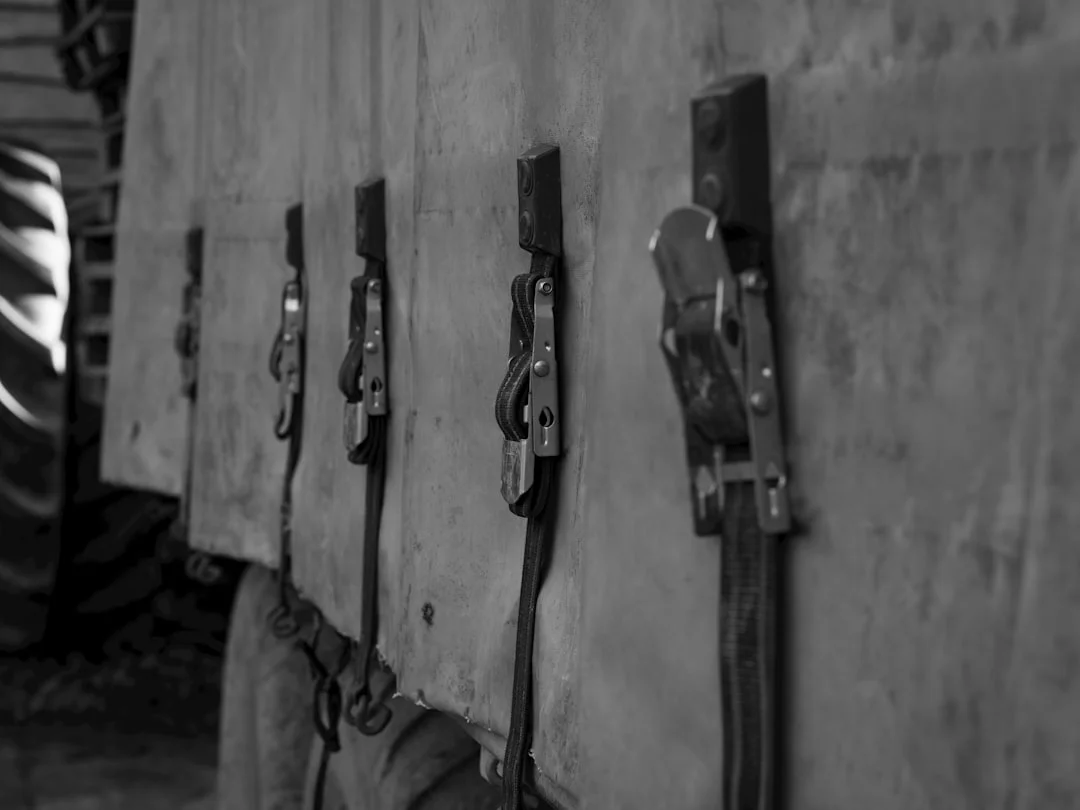
When procuring heavy-duty securement hardware, understanding the relationship between load binder price per ton capacity and material specification is critical for fleet managers and logistics coordinators. The cost of a load binder is intrinsically linked to its Working Load Limit (WLL), material grade, and safety certification. For operations transporting heavy machinery, steel coils, or construction materials, selecting a binder with the correct ton capacity—typically ranging from 10 to 25 tons—is not merely a compliance issue but a core determinant of operational safety and cost-efficiency. This guide breaks down the technical specifications that influence pricing structures for units, helping procurement teams make informed decisions for bulk orders.
Capacity Tiers: Matching WLL to Application Demands
The primary driver of load binder value is its rated capacity. In the current industrial landscape, standard heavy-duty models operate within a 10 Ton to 25 Ton capacity range. A 10-ton lever-type binder is typically sufficient for general flatbed operations securing lighter machinery or equipment crates, while 25-ton units are mandatory for high-stress applications such as anchoring heavy steel coils or oversized construction components. It is crucial to note that the safety factor—a standard 3:1 ratio for reputable manufacturers—means a 10-ton WLL binder has a breaking strength of approximately 30 tons. Procurement teams must verify that the quoted price reflects this certified safety margin, as inferior alternatives often reduce steel quality to lower costs, compromising the 3:1 safety factor essential for compliance.
Material Composition and Finish Cost Variables
Beyond capacity, the material grade significantly influences the price per unit. High-quality load binders are manufactured from heat-treated steel, a process that enhances tensile strength and durability under dynamic road loads. As of 2026 industry standards, the difference between standard carbon steel and premium heat-treated alloy steel can account for a 15-20% variance in base cost. Furthermore, surface finish options—Yellow Paint, Zinc Plated, or Powder Coating—affect longevity and pricing. Zinc Plated finishes offer superior corrosion resistance for or humid climates, extending service life by up to 40% compared to standard painted finishes. When calculating long-term ROI, the slightly higher upfront cost of zinc-plated, heat-treated steel often offsets the expense of frequent replacement cycles associated with rusted or fatigued hardware.
Comparing Lever Type vs. Ratchet Type Binder Value
The mechanism style—Lever Type (also known as snap binders) versus Ratchet Type—also dictates price points and operational utility. Lever type binders, available in Hook & Handle configurations, are generally more economical per unit due to simpler construction. They allow for rapid application and release, making them ideal for where speed is prioritized. However, they require stored energy caution during release. In contrast, ratchet-type binders offer finer tension control but typically command a higher price due to the gearing mechanism. Compared to lever types, ratchet binders provide more precise tensioning on sensitive loads, reducing the risk of load damage. For bulk procurement, fleets often standardize on lever types for durability and cost-efficiency, typically purchasing these in sets to pair with or chain extensions.
Bulk Procurement and Export Quality Assurance
For B2B buyers, the price per ton capacity decreases significantly with volume commitments. Wholesale orders allow for factory-direct pricing, often resulting in substantial savings compared to retail hardware suppliers. Our manufacturing process includes rigorous QC checks on every batch, ensuring dimensional accuracy and tensile integrity. We serve clients across North America and Europe, providing export-quality documentation and certification. Unlike sourcing from generic catalogs, our specialized production lines for inventory ensure that every unit meets the stated 10-25 ton capacity ratings. We maintain stock of standard configurations (Yellow/Paint and Zinc Plated) and offer custom assembly for specific chain grades or hook requirements, typically with MOQs suitable for fleet outfitting rather than single-unit purchases.
Frequently Asked Questions
How does the 3:1 safety factor affect load binder price per ton capacity?
The 3:1 safety factor means the binder's breaking strength is three times its Working Load Limit (WLL). For example, a 10-ton capacity binder must withstand 30 tons of force before failure. Achieving this requires high-grade heat-treated steel and precise forging. Binders meeting this standard are priced higher than generic alternatives with lower safety margins, but they are essential for legal compliance and load security in heavy transport.
What is the typical capacity range for industrial steel load binders?
Standard industrial steel load binders typically range from 10 Ton to 25 Ton capacity. The 10-ton variants are common for general freight and machinery moving, while 25-ton units are reserved for heavy steel, construction equipment, and high-stress securement applications. The price scales with the capacity due to the increased material volume and heat-treatment requirements.
Should I choose a zinc-plated or painted finish for my load binders?
If your fleet operates in marine environments, humid climates, or exposes equipment to road salts, zinc-plated finishes are the superior investment. They provide corrosion resistance that significantly extends hardware life. Painted (often yellow) finishes are standard for dry-van or indoor storage applications and are a cost-effective choice for general logistics.
Are lever type load binders cheaper than ratchet types?
Generally, yes. Lever type binders have a simpler mechanical design with fewer moving parts, making them less expensive to manufacture and purchase compared to ratchet binders. However, for bulk orders, the price gap narrows, and the choice should depend on operator preference and load sensitivity rather than just unit cost.
Related Resources
Related Products (2)
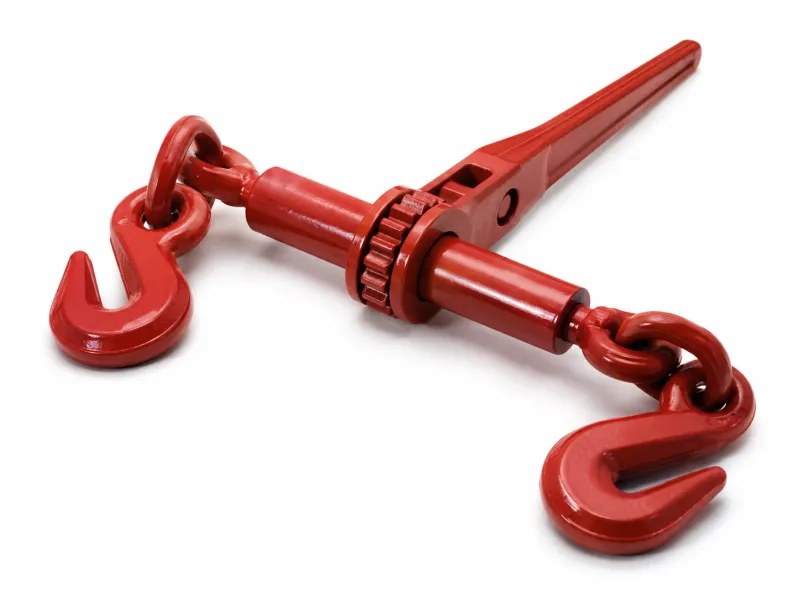
Industrial Steel Load Binder
Heavy-duty industrial ratchet load binder engineered for securing steel coils, machinery, and oversized freight. Features a drop-forged steel ratchet handle, hardened grab hooks, and a corrosion-resistant finish for demanding transport applications. Delivers reliable tensioning, EN 12195-2 and DOT compliance, and a 3:1 safety factor for professional cargo control operations.
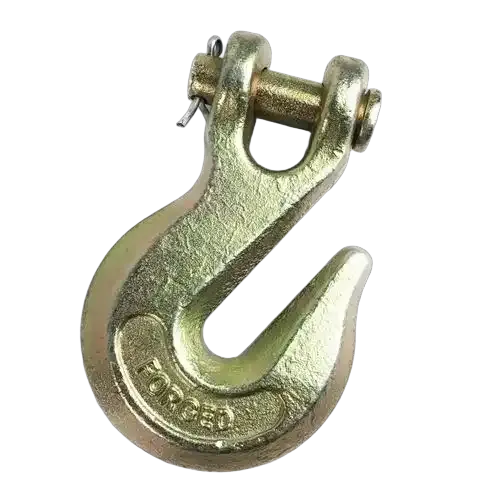
Forged End Hooks (S/F/J/Hooks)
TrustWebbing Forged End Hooks (S/F/J-Hooks) are drop-forged, heat-treated cargo control fittings engineered for 1"–4" tie-down and ratchet strap assemblies. Available as S-hooks, flat/snap hooks, and J-hooks with zinc or galvanized finishes, they deliver high breaking strength, corrosion resistance, and precise webbing-slot tolerances for OEM strap fabrication.
Related Applications
Related Industries
Evaluating cost-efficiency for 10-25 ton heavy-duty steel load binders in bulk logistics
Request a Bulk Quote